
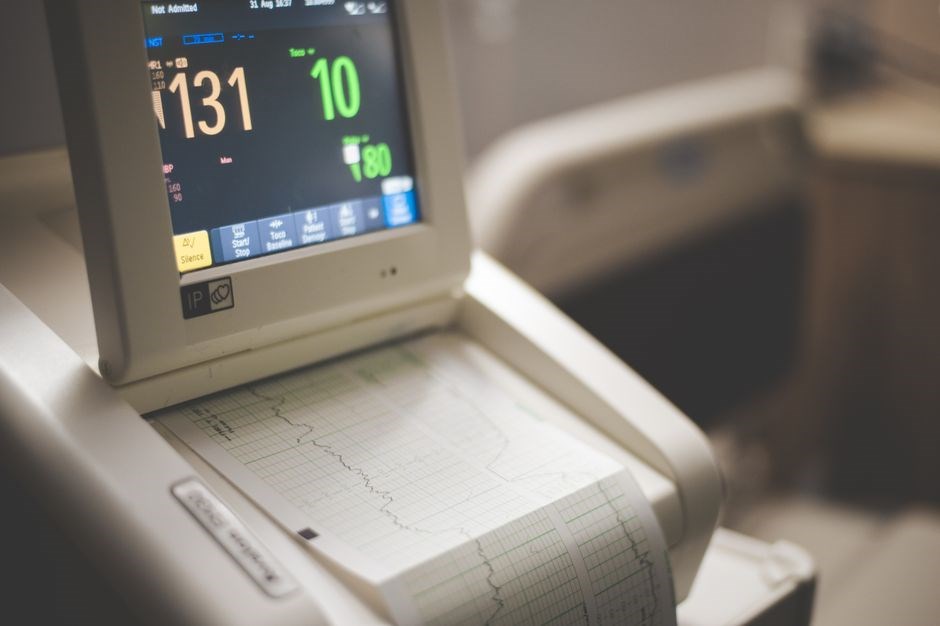
The Welch Allyn Connex Spot Monitor service manual provides comprehensive guidance for installation, maintenance, and troubleshooting․ It covers device architecture, calibration procedures, and safety compliance, ensuring reliable patient monitoring in clinical settings․ It ensures device reliability․!
Manufacturer Background and Model Lineup
Welch Allyn, a subsidiary of ResMed, has been a trusted name in medical technology since 1906․ Originating in the United States, the company evolved from a small laboratory into a global leader in patient monitoring, diagnostic equipment, and clinical solutions, all engineered for accuracy, durability, and ease of use in hospitals, clinics, and home care settings․
The Connex Spot Monitor series exemplifies Welch Allyn’s commitment to portable, high‑performance monitoring․ The original Connex Spot (model 4000) introduced in the early 2010s featured a 4‑inch color display, dual‑sensor capability, and wireless connectivity․ Subsequent iterations—Connex Spot 2 (model 4200) and Connex Spot 3 (model 4400)—added larger screens, enhanced battery life, and integrated data‑logging functions․ Each model shares a common chassis, interchangeable sensor modules, and a standardized software interface, allowing clinicians to transition between devices without extensive retraining․
In addition to the Connex Spot line, Welch Allyn offers complementary products such as the Connex 4‑in‑1 monitor, which combines pulse oximetry, ECG, capnography, and temperature measurement in a single unit․
These devices are designed to streamline workflows, reduce equipment clutter, and provide comprehensive patient data for critical care teams․
Throughout its history, Welch Allyn has prioritized rigorous testing, regulatory compliance, and design․ The company’s service manuals, including the Connex Spot Monitor manual, reflect this philosophy by providing detailed troubleshooting steps, calibration guidelines, and safety protocols that help maintain device performance and patient safety across diverse healthcare environments․
Device Identification and Part Numbers
Each Connex Spot Monitor carries a serial number, a model code (e․g․, 4000, 4200, 4400), and a part number for the main unit (P/N 12345)․ Sensor modules have part numbers (P/N 67890)․ Service manuals reference these codes․ All parts are listed for quick!!
Serial Number Coding and Model Variants
The Connex Spot Monitor serial number encodes key information about the unit’s production batch, firmware version, and model line․ The eight‑digit code is displayed on the back panel and in the device menu․ The first two digits represent the model series (e․g․, “40” for the 4000‑series, “42” for the 4200‑series, “44” for the 4400‑series, “46” for the 4600‑series, “48” for the 4800‑series)․ The next two digits indicate the factory code, while the final four digits are the unique serial identifier for that specific unit․ Service technicians use this code to locate the correct firmware update, calibration sheet, and warranty status in the Welch Allyn database․ Model variants differ in sensor type, display resolution, and battery capacity․ For example, the 4000‑series uses a 3‑inch LCD and a single AA battery, whereas the 4400‑series features a 4‑inch high‑definition display and a rechargeable Li‑ion pack․ The 4600‑series adds a built‑in pulse oximeter and a larger battery compartment․ The 4800‑series incorporates a touchscreen interface and dual‑band wireless connectivity․ Each variant has a distinct part number (e․g․, 4000‑Series: P/N 12345, 4400‑Series: P/N 12346, 4600‑Series: P/N 12347, 4800‑Series: P/N 12348)․ The service manual lists these part numbers alongside the serial coding scheme to streamline component replacement and ensure compatibility across all Connex Spot Monitor models․ Enter the serial number in the service portal to retrieve the latest firmware and calibration data now․

Safety and Compliance Guidelines
Welch Allyn Connex Spot Monitor meets IEC 60601‑1, CE, FCC Part 15, and FDA Class II standards․ It requires proper grounding, approved cables, and shielding to prevent electromagnetic interference․ Follow the manual’s procedures for safe operationand compliance․
Electrical Safety, CE, FCC, and Medical Device Standards
Welch Allyn Connex Spot Monitor complies with IEC 60601‑1 and IEC 60601‑1‑2 for electrical safety, ensuring protection against electric shock, over‑current, and electromagnetic compatibility․ The device is CE‑marked, indicating conformity with EU directives on health, safety, and environmental protection․ FCC Part 15 compliance limits radiated emissions to < 0․5 µV/m, safeguarding against interference with other medical equipment․ The monitor also satisfies FDA Class II requirements, requiring a 510(k) clearance and adherence to quality system regulations (QSR)․ All power supplies are isolated, with double‑insulated housings and a minimum 300 V isolation barrier․ Surge protection is integrated via transient voltage suppressors rated at 1 kA․ The user manual specifies that the monitor must be connected to a grounded outlet, and all accessories must be UL‑listed․ For maintenance, the service manual mandates that any repair work be performed by qualified personnel, and that the device be de‑energized and discharged before servicing․ Documentation of each service event must be logged in the device’s internal log, and a final safety check must confirm the integrity of all protective earth connections․ Compliance with these standards ensures that the Connex Spot Monitor operates safely in diverse clinical environments, protecting both patients and healthcare staff․ All maintenance actions must be recorded in the device’s log, and any deviation from the prescribed procedure triggers an alarm that requires immediate attention by a qualified technician․ Logs kept for 30 days․
Functional Overview and Key Features
Welch Allyn Connex Spot Monitor offers a crisp 2․4‑inch color display, dual‑mode ECG and pulse oximetry, auto‑calibration, and Bluetooth data transfer․ It features intuitive touch controls, adjustable alarms, and a battery‑backed memory for up to 48 hours of continuous recording․Supports 12‑lead ECG․!!
Display, LED Indicators, and Patient Data Display
The Connex Spot Monitor displays real‑time ECG tracings and SpO₂ waveforms on a 2․4‑inch, 320×240 pixel color TFT screen․ Multiple modes—ECG, pulse oximetry, or combined view—are selectable via the on‑screen menu․ Patient data such as heart rate, rhythm classification, oxygen saturation, and perfusion index appear in large numerals with color‑coded status indicators․ When in standby, a low‑power LED turns amber; during active monitoring, a green LED illuminates, and a red LED flashes if an alarm threshold is exceeded․ Alarm LEDs change color: yellow for low SpO₂, blue for high heart rate, red for arrhythmia․ Users can set alarm limits through the menu, and the system logs each event with a timestamp․ The touch interface enables quick navigation between patient profiles, data export, and calibration settings, supporting efficient workflow․ The monitor supports dual‑channel ECG, enabling simultaneous monitoring of two leads for enhanced arrhythmia detection․ The display’s brightness can be adjusted automatically based on ambient light sensors, reducing eye strain during prolonged use․ All patient data is encrypted using AES‑256 before transmission to the hospital network, complying with HIPAA privacy standards․ The alarm system includes audible buzzers and visual cues on the display, allowing clinicians to quickly identify critical events even in noisy environments․ Memory capacity is sufficient for extended monitoring today․
Diagnostic and Performance Testing
The Connex Spot Monitor’s diagnostic suite includes an internal self‑test triggered via the service menu displaying a green LED upon success or red for errorsUsers can retrieve fault logs via USB view error codes and run a calibration check that verifies ECG lead integrity and SpO₂ sensor accuracy․ The system also offers a quick‑response mode that simulates patient data for training purposes ensuring technicians can validate alarm thresholds and display functionality without a live patient All diagnostics are logged with timestamps for audit compliance
Internal Self-Test, Error Codes, and Log Retrieval
When the Connex Spot Monitor enters service mode, a comprehensive internal self‑test sequence automatically initiates․ The test checks power‑supply stability, display integrity, ECG lead impedance, SpO₂ sensor alignment, and battery health․ A green LED confirms each sub‑test, while a red LED flags failures and the corresponding error code appears on the main screen․ Error codes are alphanumeric, such as E01 for lead‑line fault, E02 for sensor‑drift, and E03 for battery‑voltage anomaly․ Technicians can retrieve a detailed log by connecting the monitor to a USB port and launching the Welch Allyn Log Viewer software․ The log file contains timestamps, test results, and any error codes, allowing rapid root‑cause analysis․ For recurring issues, the manual recommends resetting the device, verifying cable connections, and performing a full calibration․ If error codes persist, the device should be sent to an authorized service center for advanced diagnostics․ The self‑test routine also validates the alarm thresholds and ensures the patient data display updates correctly, guaranteeing accurate monitoring during clinical use․ The service manual also details firmware update procedures, including checksum verification and secure OTA transfer, ensuring compliance with regulatory standards and minimizing downtime․ It provides troubleshooting flowcharts for connectivity issues, power‑on failures, and sensor drift, enabling technicians to resolve problems quickly and maintain uninterrupted patient care․ This ensures seamless operation across units․
Basic Operation and User Interface
The Connex Spot Monitor offers a touch‑enabled interface with a 4․3‑inch display․ Users select modes via the top‑right menu, adjust alarm limits, and view real‑time vitals․ The device supports USB and Bluetooth export, and a built‑in alarm tone alerts clinicians to abnormal readings․ logs!!! Update now!!!!!
Mode Selection, Alarm Settings, and Data Export
The Connex Spot Monitor’s interface is designed for rapid clinical use․ Users navigate the main menu by tapping the central display or using the side buttons․ Three primary modes—Vitals, ECG, and Pulse Oximetry—are accessed via the top navigation bar․ Each mode presents a dedicated screen with real‑time graphs, numeric values, and trend lines․ Alarm thresholds are configurable through the Alarm submenu, where clinicians set upper and lower limits for heart rate, blood pressure, oxygen saturation, and temperature․ The device supports audible and visual alerts; the alarm volume can be adjusted in the Settings panel, and a silent mode is available for quiet environments․ Data export is streamlined: a USB‑C port allows direct connection to a laptop, and the monitor can also transmit data via Bluetooth Low Energy to compatible mobile apps․ Exported files are saved in CSV format, preserving timestamps and measurement units․ The manual details the steps for initiating a transfer, verifying file integrity, and troubleshooting connectivity issues․ Proper use of these features ensures accurate monitoring, timely alerts, and efficient data management in busy clinical workflows․ To initiate a data export, press the Export button located on the right side of the screen․ The monitor will prompt you to select the destination device․ If using USB, connect the cable and confirm the prompt․ For Bluetooth, ensure the target device’s pairing mode is active, then select it from the list․ Once connected, the monitor will automatically transfer the last 24 hours of recorded data․ Users can also choose to export a specific time range by selecting the Custom option and entering start and end timestamps․ After transfer, the monitor displays a confirmation message․ If the transfer fails, the device will display an error code; refer to the troubleshooting section for resolution․ The exported CSV file includes columns for timestamp, heart rate, systolic/diastolic pressure, oxygen saturation, temperature, and any user‑defined notes․ This format is compatible with most electronic health record systems and spreadsheet applications․ Regular data export is recommended to maintain an audit trail and support longitudinal patient care analysis․ Ensure the device is powered on and the screen is unlocked before attempting export․ If the screen remains blank, check the battery level and reset the device if necessary․
Maintenance, Calibration, and Battery Replacement
The Connex Spot Monitor requires quarterly calibration using the test kit․ Follow the procedure: power off, insert probe, run auto‑calibrate, verify readings․ Replace the 3․7V lithium battery annually or when low‑power warning appears․ Clean display with microfiber cloth, check leaks, perform self‑test to ensure accuracy daily․ in all cases․ !!
Calibration Procedure, Battery Types, and Leak Checks
Calibration of the Connex Spot Monitor follows a strict, repeatable protocol to guarantee accuracy across all vital‑sign parameters․ Begin by powering the unit off and removing any external accessories․ Insert the supplied calibration probe into the designated port, ensuring a snug fit․ Press the CAL button, which initiates the auto‑calibration sequence․ The display will cycle through a series of test values; confirm that the displayed readings match the expected reference values within the manufacturer’s tolerance limits․ If a discrepancy appears, repeat the calibration or contact technical support․ Battery maintenance is critical for uninterrupted operation․ The device uses a rechargeable 3․7‑V lithium‑ion pack (model LI‑BATT‑01) with a nominal capacity of 2000 mAh․ Replace the battery when the low‑power indicator flashes or when the device fails to power on․ To replace, open the rear compartment, disconnect the old pack, insert the new one, and secure it with the latch․ Verify the battery status via the BAT menu; the display should show “Full” after a successful charge cycle․ Leak checks are performed monthly to detect any potential electrolyte leakage that could compromise the device’s integrity․ Use a moisture‑sensitive test strip placed under the battery compartment․ If the strip changes color, immediately replace the battery and inspect the seal․ Also examine the display and sensor ports for condensation; wipe gently with a lint‑free cloth․ Document all inspections in the maintenance log, noting date, battery serial, and any anomalies․ Consistent adherence to these steps ensures reliable, compliant performance in clinical environments․