
e Passport Application Form Nepal PDF: A Comprehensive Guide (Updated 03/05/2026)
This guide details Nepal’s ePassport application process‚ offering a single-page form and a 13-step online pre-enrollment procedure‚ accessible as a downloadable PDF.
Nepal’s transition to an ePassport system represents a significant modernization of its travel document infrastructure. Launched to enhance security and streamline international travel for its citizens‚ the ePassport incorporates biometric data‚ aligning with international standards. The system utilizes a comprehensive application process‚ often beginning with an online pre-enrollment stage‚ detailed in a 13-step procedure.
Applicants can access the necessary ePassport application form as a downloadable PDF from the official Department of Passport website. This form‚ a single-page document issued by the Government of Nepal‚ requires meticulous completion with accurate personal and supporting details. The introduction of ePassports aims to reduce fraud and facilitate smoother border crossings‚ reflecting Nepal’s commitment to global security protocols.
What is an ePassport?
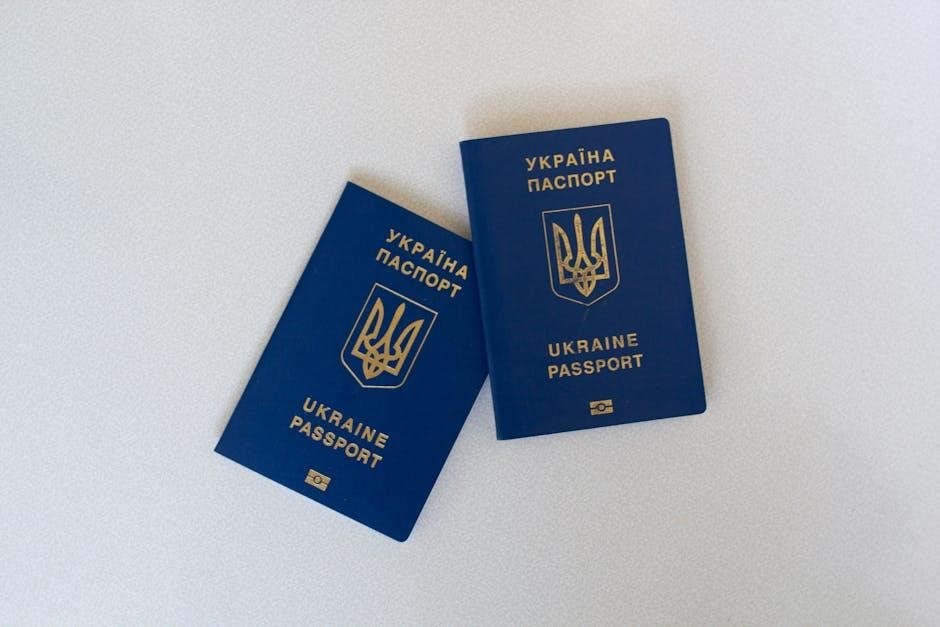
An ePassport‚ or electronic passport‚ is a traditional passport enhanced with an embedded electronic microprocessor chip. This chip contains biometric information‚ such as the passport holder’s photograph and fingerprints‚ securely stored to verify the passport’s authenticity. The cover of Nepal’s ePassport prominently displays the e-Passport symbol‚ visually distinguishing it from older versions.
This technology significantly improves security‚ making it more difficult to forge or alter the document. When presented at border control‚ the chip is scanned electronically‚ quickly confirming the holder’s identity. Applying for an ePassport in Nepal involves completing the official application form – available as a PDF – and submitting required documentation‚ including photographs and citizenship proof.
Benefits of Applying for an ePassport in Nepal
Obtaining an ePassport in Nepal offers several advantages over the traditional passport. Primarily‚ the enhanced security features – the embedded microchip containing biometric data – reduce the risk of fraud and identity theft‚ streamlining international travel. The ePassport facilitates faster and more efficient immigration processing at airports globally‚ thanks to automated verification systems.
Furthermore‚ an ePassport can simplify visa applications for certain countries‚ potentially reducing processing times. Completing the application form (available in PDF format) initiates this process‚ requiring supporting documents like a citizenship certificate and photographs. Ultimately‚ the ePassport provides a more secure and convenient travel experience for Nepali citizens.
Accessing the ePassport Application Form
Nepali citizens have multiple avenues to access the ePassport application form. The primary method involves visiting the official Department of Passport website‚ where the form is readily available for download as a PDF file. This downloadable application form is a single-page document requiring detailed personal information.
Alternatively‚ applicants can utilize the online pre-enrollment procedure‚ a 13-step process detailed on the official website. This online system allows for preliminary form completion before a physical visit. Regardless of the chosen method‚ ensuring you have a reliable PDF reader‚ like Adobe Acrobat Reader‚ is crucial for viewing and completing the form accurately.
Official Website for ePassport Application
The central hub for all ePassport-related activities in Nepal is the Department of Passport’s official website. This platform serves as the primary source for accessing the ePassport application form‚ available for direct download in PDF format. It also hosts the comprehensive 13-step online pre-enrollment system‚ streamlining the initial application stages.

Applicants are strongly advised to rely solely on this official website to avoid fraudulent forms or misleading information. The website provides crucial updates‚ guidelines‚ and contact details for assistance. Ensure the URL is legitimate before entering any personal data‚ safeguarding against potential security risks. Accessing the form through unofficial sources is discouraged.
Downloading the PDF Application Form
The ePassport application form is readily available for download as a PDF file directly from the Department of Passport’s official website. This single-page form requires a PDF viewer‚ such as Adobe Acrobat Reader‚ for proper viewing and printing. Ensure you have a compatible printer – inkjet or laser – to produce a clear‚ legible copy.
Downloading the PDF allows applicants to complete the form offline‚ offering flexibility and convenience. Carefully review the form’s instructions before filling it out. Once completed‚ the printed form‚ along with supporting documents‚ must be submitted according to the guidelines provided on the official website.
Alternative Online Pre-Enrollment Procedure
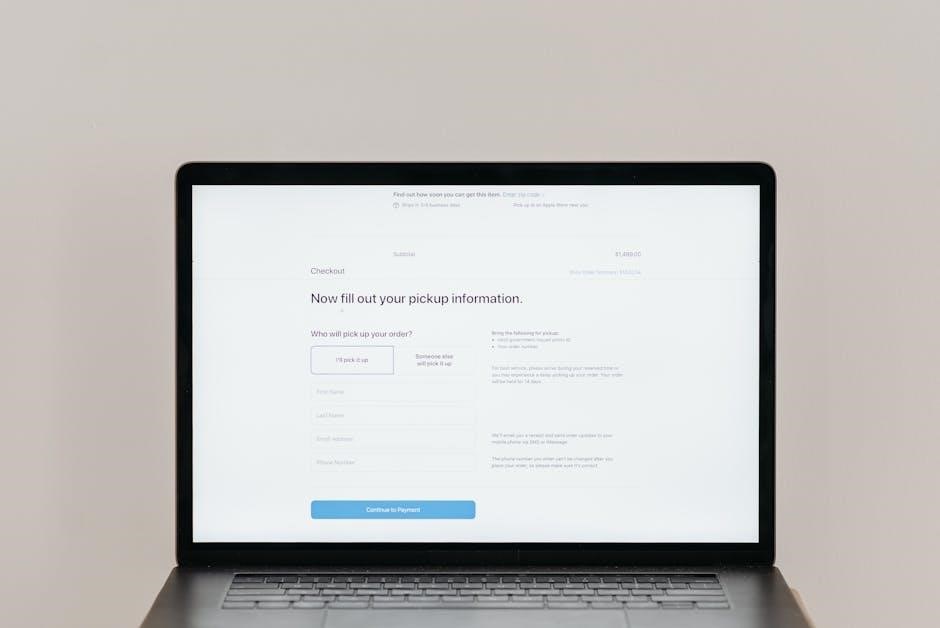
Beyond the downloadable PDF‚ Nepal’s Department of Passport offers a comprehensive 13-step online pre-enrollment procedure for ePassport applications. This digital process streamlines the initial stages‚ allowing applicants to input their information directly into the system.
The online form guides users through each required field‚ ensuring all necessary details are captured. This method is particularly beneficial for those comfortable with online forms and seeking a more efficient application experience. Following completion‚ applicants will likely need to print a confirmation or summary for submission alongside supporting documentation.
Required Documents for ePassport Application
A successful ePassport application in Nepal necessitates a collection of supporting documents. Primarily‚ applicants must furnish two recent passport-sized photographs meeting specific criteria. Crucially‚ a valid Citizenship Certificate is mandatory as proof of nationality.
Furthermore‚ a National ID card is required for verification purposes. Depending on individual circumstances‚ additional documents may be necessary‚ such as a Birth Certificate (for those without a Citizenship Certificate) or a Marriage Certificate (if applicable‚ for name changes). Ensuring all documentation is complete and accurate is vital for a smooth application process.
Passport-Sized Photographs
Two recent passport-sized photographs are a fundamental requirement for the Nepal ePassport application. These photographs must adhere to strict specifications to ensure compatibility with the ePassport system. Generally‚ a white or light-colored background is mandated‚ and applicants should maintain a neutral facial expression.
Head size and positioning are critical; the face should occupy a specific proportion of the photograph. Glasses are typically discouraged‚ and head coverings are permitted only for religious reasons‚ with the face fully visible. Submitting photographs that do not meet these standards can lead to application delays or rejection‚ so careful attention to detail is essential.
Citizenship Certificate
A valid Nepalese Citizenship Certificate is a core document required for all ePassport applications. This certificate serves as primary proof of nationality and is essential for verifying the applicant’s identity. The Department of Passport mandates that the certificate be original and in good condition‚ free from any alterations or damage.
Photocopies are generally accepted alongside the original for verification purposes‚ but the original must be presented during the document verification process. Applicants who have lost their citizenship certificate must obtain a replacement before proceeding with the ePassport application. Providing a genuine and verifiable citizenship certificate is crucial for a successful application.
National ID Card
A National Identity (ID) Card is a significant supporting document for Nepal’s ePassport application. While not always explicitly stated as mandatory‚ possessing a valid National ID card streamlines the verification process and can expedite your application. It serves as an additional layer of identity confirmation‚ complementing the Citizenship Certificate.
The ID card assists in confirming details provided in the application form‚ ensuring accuracy and reducing potential delays. Applicants are advised to present their National ID card during document submission and biometric data collection. Having this document readily available demonstrates preparedness and facilitates a smoother application experience‚ even if not strictly required in all cases.
Other Supporting Documents (Birth Certificate‚ Marriage Certificate etc.)
Depending on individual circumstances‚ additional supporting documents may be required alongside the core application materials for a Nepal ePassport. A Birth Certificate is crucial for applicants lacking a Citizenship Certificate or needing to verify details. Marriage Certificates are essential for married applicants‚ particularly if a name change has occurred post-marriage.
These supplementary documents help establish a complete and accurate personal record. Other documents‚ like divorce decrees or legal name change notifications‚ may also be necessary. Applicants should carefully review the official Department of Passport guidelines to determine which‚ if any‚ additional documents apply to their specific situation‚ ensuring a comprehensive submission.
Step-by-Step Guide to Filling the ePassport Application Form
The ePassport application form requires meticulous completion. Begin by accessing the official Department of Passport website and downloading the PDF or utilizing the online pre-enrollment system. Carefully input all requested personal information‚ ensuring accuracy and consistency with supporting documents. Pay close attention to each section‚ including family details‚ educational qualifications‚ and professional information.
Double-check all entries before submission to avoid delays. The 13-step online procedure guides applicants through each field. Follow the instructions precisely‚ and be prepared to upload scanned copies of required documents. A thorough and accurate application significantly streamlines the processing timeline.
Personal Information Section
The Personal Information section is the foundation of your ePassport application. This crucial part demands precise details‚ including your full name (as it appears on your citizenship certificate)‚ date of birth‚ place of birth‚ and gender. Accuracy is paramount; discrepancies can lead to application rejection or processing delays.
You’ll also need to provide your current address‚ contact number‚ and email address. Ensure this information is up-to-date for effective communication from the Department of Passport. Carefully review all entered data before proceeding‚ as this section directly impacts the validity of your ePassport.
Family Details Section
The Family Details section of the ePassport application form requires comprehensive information about your immediate family members. You’ll need to provide details for your parents – their names‚ citizenship numbers‚ and current addresses. Accuracy is vital to ensure smooth processing and avoid potential complications.

Furthermore‚ you must include information about your spouse (if applicable)‚ including their name‚ citizenship number‚ and date of marriage. Details regarding your children‚ if any‚ are also necessary‚ encompassing their names‚ dates of birth‚ and citizenship details. Double-check all entries for consistency and correctness before submission.
Educational Qualification Section
The Educational Qualification section of the Nepal ePassport application form systematically records your academic history. Begin with your earliest schooling‚ detailing the name of the institution‚ the level of education attained (e.g.‚ School Leaving Certificate ⎼ SLC)‚ and the year of completion. Provide accurate dates and institution names to avoid discrepancies.
Progress through higher education‚ including details of your intermediate/plus two education‚ bachelor’s degree‚ and any postgraduate qualifications. Specify the discipline studied‚ the awarding institution‚ and the year of completion for each level. Ensure consistency with supporting documents like transcripts and certificates. This section verifies your educational background.
Professional Details Section
The Professional Details section of the Nepal ePassport application form requires a comprehensive record of your employment history. Begin by listing your current occupation‚ specifying your job title‚ employer’s name‚ and contact details. Provide accurate information regarding your employment status – employed‚ self-employed‚ or unemployed.
Detail your previous employment experiences chronologically‚ including the employer’s name‚ your job title‚ dates of employment‚ and a brief description of your responsibilities. This section is crucial for verification purposes and may require supporting documentation like employment letters or pay stubs. Accurate details ensure a smooth application process.
ePassport Application Fee Structure
Understanding the ePassport application fee structure is vital before initiating the process in Nepal. The fees vary depending on the passport’s validity period and the urgency of processing. Generally‚ standard applications for a 10-year validity passport require a specific fee‚ while expedited services incur additional charges.
Applicants should consult the official Department of Passport website for the most up-to-date fee schedule‚ as these are subject to change. Ensure you have the correct amount ready when submitting your application. Fee waivers or concessions may be available for certain categories of applicants; details are available on the official website.
Fee Payment Methods
The Department of Passport in Nepal offers several convenient methods for paying the ePassport application fee. Typically‚ applicants can pay via bank voucher‚ depositing the required amount into designated bank accounts specified on the official website or application form.
Online payment options may also be available through the pre-enrollment system‚ offering a faster and more streamlined process. Ensure you retain a copy of your payment receipt as proof of transaction‚ which must be submitted along with your application. Carefully verify the account details before making any payment to avoid delays or complications.
Fee Waivers and Concessions
The Nepal government may offer fee waivers or concessions for certain categories of ePassport applicants. These typically include individuals facing economic hardship‚ senior citizens‚ and individuals with disabilities‚ though specific criteria and documentation requirements apply.
Details regarding eligibility for fee waivers are usually outlined on the Department of Passport’s official website or within the ePassport application guidelines. Applicants must provide supporting documentation to demonstrate their eligibility for any applicable concessions. It’s crucial to verify the latest information regarding waivers‚ as policies can be subject to change.
Submission Process and Appointment Scheduling
After completing the ePassport application form and gathering required documents‚ applicants must schedule an appointment for submission. This is primarily done through the official online portal‚ allowing selection of a convenient date and time for document verification and biometric data collection.
The online appointment booking system streamlines the process‚ reducing wait times at passport offices. During the appointment‚ officials will verify submitted documents against the application details. Biometric data‚ including fingerprints and a digital photograph‚ will be collected to finalize the application. Ensure all documents are original and photocopies are readily available.
Online Appointment Booking
The Department of Passport Nepal utilizes an online system for scheduling ePassport application appointments. This system allows applicants to choose a date and time that suits their availability‚ minimizing queues and wait times at district passport offices. Accessing the booking portal requires prior registration and completion of the online pre-enrollment form.
During the booking process‚ applicants will select their preferred location and available time slot. Confirmation of the appointment will be sent via email or SMS. It’s crucial to arrive promptly at the scheduled time with all necessary documents to avoid rescheduling. The online system is designed for efficiency and convenience‚ simplifying the submission process.
Document Verification Process
Following appointment arrival‚ a rigorous document verification process commences. Officials meticulously review submitted paperwork – citizenship certificates‚ national IDs‚ birth/marriage certificates (if applicable) – against the online application details. Accuracy is paramount; discrepancies can lead to application delays or rejection.
Original documents are essential; photocopies are generally not accepted. The verification team confirms the authenticity of each document‚ ensuring compliance with Nepal’s passport regulations. This step safeguards against fraudulent applications and maintains passport integrity. Successful verification proceeds to biometric data collection‚ a crucial component of the ePassport system.
Biometric Data Collection
After successful document verification‚ applicants proceed to biometric data collection. This involves capturing fingerprints and a digital photograph‚ essential for the ePassport’s security features. The process is swift and non-invasive‚ utilizing specialized scanners to record unique biometric identifiers.
Biometric data is securely stored and linked to the ePassport‚ preventing unauthorized use and enhancing identity verification. This technology aligns Nepal’s passport system with international standards‚ bolstering security and facilitating smoother international travel. Ensuring clear fingerprints and a compliant photograph is vital for a successful application.
Processing Time for ePassport Applications
The processing time for Nepal’s ePassport applications can vary‚ influenced by several factors. Generally‚ applicants can expect a turnaround time ranging from several weeks to a couple of months. However‚ this is an estimate‚ and actual timelines may differ based on current demand and verification complexities.
Delays can occur due to incomplete applications‚ discrepancies in submitted documents‚ or high application volumes. The Department of Passport strives for efficiency‚ but thorough verification is crucial. Regularly checking the application status online is recommended to stay informed about progress. Patience and accurate submissions contribute to faster processing.
Factors Affecting Processing Time
Several elements can influence the duration of your ePassport application processing in Nepal. A primary factor is the completeness and accuracy of the submitted application form and supporting documentation. Any discrepancies or missing information will inevitably cause delays as the Department of Passport requires verification.
High application volumes‚ particularly during peak seasons‚ also contribute to longer processing times. Furthermore‚ the complexity of individual cases – such as those requiring additional scrutiny from the Certification Committee – can extend the timeline. Promptly addressing any requests for further information from the authorities is crucial for expediting the process.
Tracking Your Application Status
After submitting your ePassport application in Nepal‚ staying informed about its progress is essential. While specific details weren’t provided‚ generally‚ the Department of Passport offers mechanisms for applicants to monitor their application status. This typically involves utilizing a unique application ID or reference number assigned during the pre-enrollment or submission phase.
Regularly checking the official Department of Passport website for updates is recommended. Look for a dedicated ‘Track Application’ or ‘Status Check’ section where you can input your ID to view the current stage of processing. Proactive monitoring allows you to anticipate potential delays and prepare accordingly‚ ensuring a smoother experience.
Common Mistakes to Avoid During Application
To ensure a successful ePassport application in Nepal‚ avoiding common errors is crucial. Incorrect information is a frequent issue; double-check all details for accuracy before submission. Poor quality photographs can lead to rejection – adhere strictly to the specified dimensions and background requirements.
Incomplete documentation is another significant pitfall. Ensure you’ve gathered and submitted all required documents‚ including citizenship certificates and national ID cards. Carefully review the checklist provided on the Department of Passport website. Attention to detail minimizes processing delays and prevents application rejections‚ streamlining your passport acquisition.
Incorrect Information
Providing inaccurate details on your Nepal ePassport application form is a primary cause for delays or outright rejection. This encompasses discrepancies in personal data‚ family details‚ educational qualifications‚ or professional information. Even seemingly minor errors – a misspelled name‚ an incorrect date of birth‚ or a wrong address – can trigger scrutiny and necessitate corrections.
Thoroughly cross-reference all entered information with your official documents‚ such as your citizenship certificate and national ID card. Double-check every field before submitting the online form or the PDF application. Accuracy is paramount to a smooth and efficient passport processing experience.
Poor Quality Photographs
Submitting passport-sized photographs that do not meet the specified requirements is a frequent issue encountered during Nepal’s ePassport application process. The Department of Passport is strict regarding photo specifications‚ including size‚ background‚ clarity‚ and facial expression. Blurry‚ pixelated‚ or poorly lit photos will likely be rejected‚ causing significant delays.
Ensure your photographs are recent‚ taken against a plain white background‚ and clearly show your full face. Avoid wearing sunglasses or head coverings (unless for religious reasons‚ with appropriate documentation). Adhere precisely to the guidelines outlined on the official Department of Passport website to prevent rejection due to photo quality.
Incomplete Documentation
One of the most common reasons for ePassport application delays or rejections in Nepal is submitting an incomplete set of required documents. Applicants must meticulously gather and present all necessary paperwork‚ as outlined by the Department of Passport. This includes the completed application form‚ passport-sized photographs‚ citizenship certificate‚ and a national ID card.
Depending on individual circumstances‚ additional supporting documents like a birth certificate or marriage certificate may also be required. Failing to provide any requested document will lead to processing delays. Carefully review the official checklist and ensure every item is included before submission to avoid unnecessary complications.
Resources and Contact Information
For comprehensive information and assistance regarding Nepal’s ePassport application process‚ the official Department of Passport website is the primary resource. It provides downloadable forms‚ detailed instructions‚ and frequently asked questions. Should you encounter difficulties‚ a dedicated helpdesk is available to address your queries and provide guidance.
While specific contact details may vary‚ the website typically lists phone numbers and email addresses for support. Remember to consult the official sources for the most up-to-date information. Avoid relying on unofficial websites or third-party services‚ as they may provide inaccurate or outdated details regarding the ePassport application.
Department of Passport Official Website
The official Department of Passport website serves as the central hub for all ePassport-related information in Nepal. Here‚ applicants can access the downloadable PDF application form‚ alongside detailed guidelines for completing each section accurately. The website also facilitates the online pre-enrollment procedure‚ a crucial first step in the application journey.
Furthermore‚ it provides essential updates on fee structures‚ accepted payment methods‚ and current processing times. Applicants can also find crucial resources like FAQs and contact information for assistance. Always verify information directly on this official platform to ensure accuracy and avoid potential delays or complications in your ePassport application process.

Helpdesk Contact Details
For personalized assistance with your ePassport application‚ the Department of Passport provides dedicated helpdesk support. While specific contact details aren’t explicitly detailed in readily available resources‚ the official website is the primary point of contact for inquiries. Applicants experiencing difficulties with the online pre-enrollment form or PDF application can typically find support information within the website’s FAQ section.

It’s recommended to carefully review the website’s resources before reaching out directly. However‚ should further clarification be needed‚ look for contact forms or email addresses listed on the official Department of Passport website for prompt assistance with your ePassport application process.
Frequently Asked Questions (FAQ)
Many common queries regarding the ePassport application are addressed on the Department of Passport’s official website. Applicants frequently ask about acceptable photograph specifications‚ required documentation for various applicant types‚ and the precise steps involved in the online pre-enrollment process.

The FAQ section also clarifies fee payment methods‚ processing times‚ and how to track application status. Questions regarding eligibility criteria‚ particularly for first-time applicants or those renewing expired passports‚ are commonly answered. Referencing the FAQ before contacting the helpdesk can often resolve issues quickly and efficiently‚ streamlining your ePassport application journey.